Key Takeaways
- Castor oil contains ricinoleic acid, which reduces scalp inflammation and improves blood circulation to hair follicles, creating optimal conditions for healthy hair growth
- Cold-pressed, hexane-free castor oil mixed with lighter carrier oils like coconut or jojoba provides an effective application method, widely recommended for maximizing benefits
- Consistent application 2-3 times weekly for several months is necessary to see visible results, with proper scalp massage being crucial for effectiveness
- While castor oil strengthens existing hair and reduces breakage, it doesn’t technically accelerate the natural hair growth rate but creates a healthier scalp environment
Hair thinning affects millions of people worldwide, driving the search for effective natural remedies that can restore confidence without harsh chemicals. Among the most promising solutions lies castor oil, a time-tested botanical extract traditionally used for hair care, with scientific studies acknowledging its moisturizing, anti-inflammatory, and antimicrobial properties that support scalp health and stronger hair, though direct evidence for accelerating hair growth is limited.
How Castor Oil Supports Hair Health (It Starts With A Healthy Scalp)
The foundation of healthy hair growth begins beneath the surface. Castor oil works by addressing the scalp environment where hair follicles reside. The oil’s most active component, ricinoleic acid, comprises approximately 90% of its fatty acid content and possesses powerful anti-inflammatory properties that directly benefit scalp health.
This unique fatty acid helps reduce inflammation around hair follicles, which can otherwise impede healthy growth cycles. When inflammation is controlled, follicles can function optimally, producing stronger, thicker hair strands. The anti-inflammatory effects also help address common scalp conditions like dandruff or irritation that may contribute to hair loss.
Beyond inflammation control, castor oil’s moisturizing properties create an ideal environment for hair growth. The oil provides essential hydration to the scalp, and its ricinoleic acid content may enhance penetration, helping to prevent dryness and flaking. This moisture retention helps maintain the scalp’s natural barrier function, protecting follicles from environmental damage and oxidative stress.
The oil also contains vitamin E, omega-6, and omega-9 fatty acids that nourish hair follicles with essential nutrients. Many hair care formulations incorporate these same compounds for similar reasons.
How to Apply Castor Oil for Maximum Results
1. Choose Cold-Pressed, Hexane-Free Castor Oil
Product quality significantly impacts effectiveness. Cold-pressed castor oil retains more beneficial compounds compared to heat-processed alternatives. The cold-pressing method preserves delicate nutrients and maintains the oil’s natural potency. Hexane-free processing ensures no chemical residues remain that could irritate sensitive scalps.
Look for organic certifications when possible, as these products undergo stricter quality controls. The oil should appear clear to pale yellow with a mild, nutty aroma. Avoid products with strong, unpleasant odors, which may indicate rancidity or poor processing methods.
2. Mix with Lighter Carrier Oils
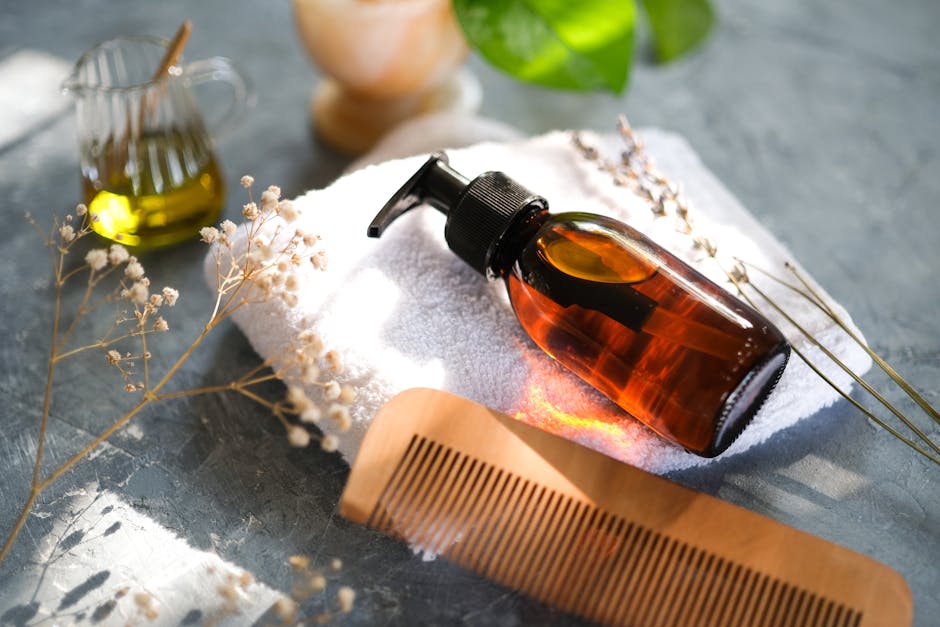
Pure castor oil’s thick consistency can make application challenging and removal difficult. Mixing it with lighter carrier oils improves spreadability while adding benefits. Coconut oil provides antimicrobial properties and additional moisture. Jojoba oil closely mimics the scalp’s natural sebum, making it easily absorbed. Argan oil adds antioxidants and helps improve the condition and appearance of damaged hair cuticles.
A recommended ratio is 1 part castor oil to 1-2 parts lighter carrier oil, depending on hair thickness and scalp sensitivity. Those with fine hair should use more carrier oil to avoid weighing down strands.
3. Proper Application and Massage Technique
Effective application requires systematic coverage and proper massage technique. Begin by sectioning clean, slightly damp hair to ensure even distribution. Apply the oil mixture directly to the scalp using fingertips or a dropper bottle, focusing on areas showing thinning or hair loss.
Massage technique matters significantly. Use gentle, circular motions with moderate pressure for 3-5 minutes. This massage stimulates blood circulation to hair follicles, potentially improving the absorption of beneficial compounds. Avoid aggressive rubbing, which can damage hair shafts or irritate the scalp.
Work the oil through hair lengths to prevent dryness and breakage in existing strands. Pay special attention to ends, which are most prone to damage.
4. Timing and Frequency Guidelines
Treatment duration affects results. For optimal benefits, leave the oil mixture on for at least 30 minutes to allow proper absorption. Many users prefer overnight treatments, using a silk pillowcase or shower cap to protect bedding.
Consistency trumps frequency. Apply treatments 2-3 times weekly rather than daily applications, which can lead to buildup or greasiness. This schedule allows the scalp to benefit from treatment while maintaining its natural balance.
Remove the oil thoroughly using a clarifying shampoo, potentially requiring two wash cycles due to castor oil’s heavy consistency. Follow with a lightweight conditioner to maintain moisture balance.
Expected Timeline and Results
When to Expect Visible Changes
Realistic expectations prevent disappointment and encourage consistency. Most users notice initial improvements in hair texture and shine within 4-6 weeks of regular use. These changes reflect improved hair health and reduced breakage rather than new growth.
Visible length increases typically appear after 8-12 weeks of consistent use, though this varies significantly based on individual factors. Hair naturally grows approximately half an inch monthly, so perceived improvements often result from reduced breakage and healthier existing strands appearing fuller. Maximum benefits usually manifest after 3-4 months of regular application. During this timeframe, users often report increased hair thickness, reduced shedding, and improved overall hair health.
How Castor Oil Influences Perceived Growth vs True Hair Growth Factors
Understanding the difference between actual hair growth and perceived improvements helps set realistic expectations. Castor oil doesn’t accelerate the hair follicle’s natural growth cycle, which is genetically predetermined. Instead, it creates conditions that allow existing follicles to produce healthier hair.
Perceived growth improvements stem from reduced breakage, improved hair strength, and moisture retention. When hair breaks less frequently, length retention improves dramatically, creating the appearance of faster growth. The oil’s conditioning properties also increase hair diameter slightly through improved hydration, making individual strands appear thicker and contributing to overall volume increases.
Potential Drawbacks and Safety Precautions
Common Application Challenges
Several practical challenges can affect treatment success. Castor oil’s thick consistency makes thorough removal difficult, potentially requiring multiple shampoo applications. This can be particularly problematic for those with fine or oily hair types.
Buildup issues may develop with overuse or inadequate cleansing. This can clog pores, potentially leading to scalp irritation or reduced hair growth. Signs include persistent greasiness, itching, or increased dandruff despite regular washing. The oil’s natural odor, while mild, may be unpleasant for some users. Mixing with essential oils like lavender or rosemary can improve scent while adding additional hair benefits.
Who Should Avoid Castor Oil
Certain individuals should exercise caution or avoid castor oil treatments entirely. Those with sensitive skin or known allergies should perform patch tests before full application. Apply a small amount to the inner wrist and wait 24 hours to check for reactions.
People with very fine or naturally oily hair may find castor oil too heavy, even when diluted. Alternative lightweight oils like grapeseed or sweet almond oil might be more suitable. Those with active scalp conditions, cuts, or irritations should consult healthcare providers before use. The oil’s potency could potentially worsen certain skin conditions.
Look For Castor Oil Botanical Mixes to Support Full Hair Health
While pure castor oil provides significant benefits, combining it with other botanical ingredients can improve effectiveness. Rosemary essential oil has been shown in studies to improve hair growth rates comparable to minoxidil. Peppermint oil increases blood circulation and provides a refreshing scalp sensation.
Other beneficial additions include biotin, which supports keratin production, and caffeine extract, which may help block DHT (dihydrotestosterone) – a hormone linked to hair loss. These combinations address multiple aspects of hair health simultaneously, making them worth considering for anyone looking to go beyond a basic castor oil routine.
Trybello LLC
40 SW 13th St
Ste 902
Miami
Florida
33130
United States