
Key Takeaways
- A Forbes Health survey found that 78% of dating app users report some level of burnout, with the top cause being an inability to find a good connection
- Modern matchmaker models replace swiping with detailed profiles and behind-the-scenes algorithms that surface a small number of aligned matches
- Progressive reveal systems, like the silhouette-first approach used by platforms such as Authenti, let conversation and shared values build trust before photos or personal details are shared
- U.S. searches for the term matchmaker nearly doubled, climbing from an average of 2,370 monthly searches in January 2025 to almost 4,930 by January 2026, signaling growing demand for alternatives to swipe-based dating
- Shared values tend to create more lasting relationship foundations than initial physical attraction, according to relationship researchers and psychology writers
Dating apps promised endless choice, but for many people they delivered endless scrolling instead. A growing number of singles are stepping back from the swipe and asking a simpler question: what if compatibility mattered more than a profile photo? That question sits at the heart of a shift happening in modern dating, one that puts shared values and intentions ahead of first impressions.
78% of App Users Report Burnout
The numbers tell a clear story. A 2024 Forbes Health survey found that 78% of respondents across all age groups reported experiencing some level of dating app burnout, and the pattern is even sharper among younger users, with more than half of Gen Z respondents saying they feel burned out “often or always.” A 2025 Loyola University study found that 45% of Gen Z users report experiencing frustration and hopelessness while using dating apps.
The exhaustion is not just emotional. A 2024 ResearchGate study found that 38.1% of young participants experienced symptoms consistent with clinical depression after just 12 weeks of dating app use. On top of that, users report deleting and redownloading dating apps an average of 6 times per year, a cycle that suggests the apps themselves may be part of the problem rather than the solution.
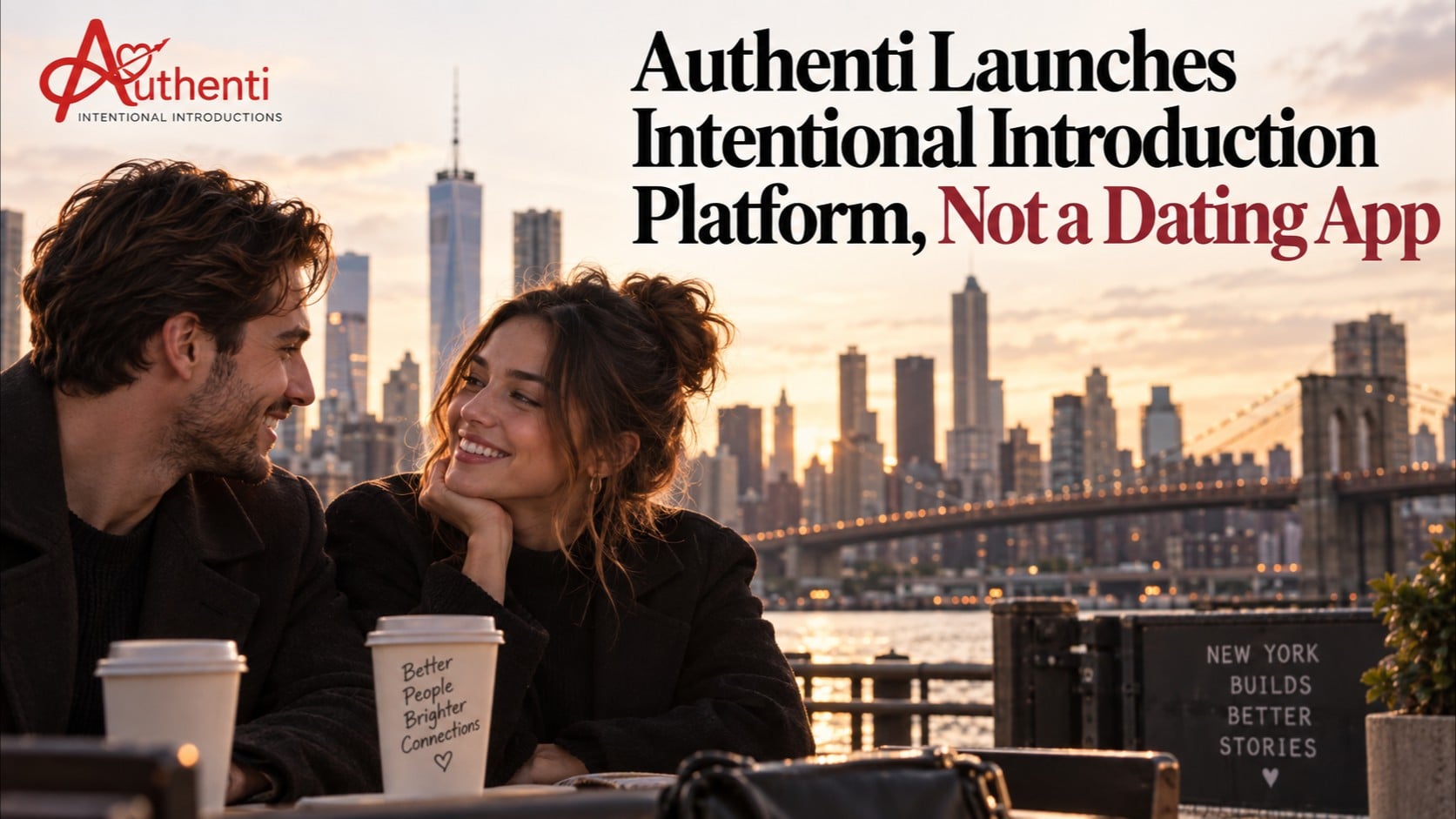
Some newer platforms are trying to break that cycle by rethinking the entire model. Authenti approaches introductions the way a matchmaker would, prioritizing who someone is before what they look like, which provides a useful lens for understanding why so many people are ready for something different.
Why Swiping Fails to Connect
Swiping was built for speed, not substance. Dating app users swipe an average of 58 times before having a meaningful conversation, and a large share of the time spent on these apps is perceived by users as wasted. That ratio explains why so many people feel like they are working a second job just to get a first date.
The core issue is design. Swipe-based apps reward constant activity and quick judgments based on photos, so the decision to connect happens before anyone knows anything real about the other person. The number one cause of dating app burnout, cited by 40% of respondents in the Forbes Health survey, was the inability to find a good connection. When the format prioritizes volume over depth, connection tends to suffer.
Worse Mental Health Among App Users
Beyond frustration, there is a documented mental health cost. Nearly half of dating app users, 48%, felt burned out by the app dating scene, and 44% said these apps make them feel more lonely rather than less. That is a strange outcome for tools designed to bring people together, but it tracks with what happens when interactions are reduced to quick visual judgments repeated hundreds of times over.
Psychology-focused writing on relationships points to a related idea: authentic conversations require trust and courage from both people, something that is hard to build when the format encourages rapid-fire comparisons instead of genuine curiosity. Without space for real listening, even a promising match can fizzle before it starts.
A Modern Matchmaker, Not an App
A different model is gaining traction, one that borrows more from traditional matchmaking than from swipe-based apps. Instead of asking users to browse and judge, this approach asks a matchmaking system to do the searching, using detailed information about who someone is and who they are drawn to.
Industry analysts note that modern matchmaking combines human intuition with data-driven insight, focusing on quality over quantity in introductions. That framing helps explain why interest in matchmaking is climbing even as traditional apps report widespread fatigue among their users.
Detailed Profiles Over Public Displays
Rather than a quick bio and a handful of curated photos, this model asks people to share what actually matters: values, lifestyle habits, emotional needs, and physical preferences. There is no pressure to perform for an audience, because there is no audience. The profile exists to inform a matching process, not to attract likes or comparisons.
This kind of depth mirrors what professional matchmakers have always done. Matchmakers typically get to know each client’s personality, values, and relationship goals in depth, using that information to identify genuinely compatible candidates rather than relying on surface-level swiping.
Algorithm Finds Alignment Behind the Scenes
Once a profile is complete, the searching happens quietly in the background. There is no browsing, no comparing, and no chasing. The system works through the details a person has shared, looking for real alignment across values, rhythm, and energy rather than matching people based on looks alone.
This behind-the-scenes approach removes a major source of app fatigue: the constant, active labor of searching. This model treats dating like an actual introduction rather than a part-time job. Someone worth meeting shows up when the alignment is there, not because a person spent hours swiping to find them.
Privacy Before a Photo Ever Shows
Privacy is often an afterthought in dating technology, but it plays a central role in an intentional introduction model. Rather than putting profiles on public display, this approach keeps them hidden until real alignment has already been established. Privacy-first platforms are built from the ground up to protect personal data and give users control, rather than optimizing for endless engagement.
Private by Default, Never Browsed
Profiles stay private by default, meaning nobody can casually browse through them. That single design choice changes the entire experience. Users can focus on genuinely representing who they are, since visibility only happens through an approved, mutual process rather than open browsing.
Silhouettes First, Then Conversation
When a match is found, it does not begin with a full photo. Instead, matches begin as a softened silhouette image paired with conversation first. This reorders the typical dating sequence: people talk first and let a real impression form before appearance enters the picture at all.
This sequencing gives conversation room to do what it does best. Authentic conversations require a mutual attempt at honesty, and that kind of exchange tends to flourish when it is not competing with a snap judgment based on looks.
Progressive Reveals Build Real Trust
As conversation deepens and mutual interest grows, details are revealed gradually rather than all at once. Photos, last names, and occupations unlock step by step as alignment builds, through a proprietary system Authenti calls SparkReveal, which is patent pending. Each reveal becomes a small milestone in the relationship rather than a starting point, encouraging both people to invest in getting to know each other before deciding how they feel about appearance or job titles.
Why Shared Values Outlast Chemistry
Physical attraction can spark quickly, but it rarely sustains a relationship on its own. Shared values create a sense of unity between partners, giving them a foundation to lean on when disagreements or challenges come up. Without that foundation, initial chemistry tends to fade once the real work of a relationship begins.
There is also an authenticity factor at play. When a relationship aligns with someone’s core values, that person can show up as their true self rather than a performance built to impress. Relationship writers frequently point out that alignment and chemistry work best together, not as competing forces. Alignment provides the safety and stability that let chemistry actually flourish once it appears, rather than fizzling out under pressure.
Matchmaking Demand Is Surging
The data suggests this is not a niche preference. Search interest in the term “matchmaker” nearly doubled in the United States, climbing from an average of 2,370 monthly searches in January 2025 to almost 4,930 by January 2026, according to Ahrefs search data, with projections pointing toward even higher demand by mid-year. That kind of jump signals a real shift in how people want to approach dating, a meaningful change rather than a passing trend.
Professional matchmaking has always leaned on quality over quantity, spending real time understanding a client before ever suggesting an introduction. As more singles grow tired of swipe fatigue, that personalized, human-centered approach is finding new relevance, especially when paired with modern technology that can scale personal attention without losing its intentionality.
Alignment, Then Attraction, Wins Out
People were never really built to be evaluated in a fraction of a second based on a photograph. The shift toward alignment-first introductions reflects something simple: relationships tend to work better when they start with understanding rather than judgment. Values, lifestyle, and genuine conversation offer a sturdier foundation than a first glance ever could.
For anyone feeling worn out by the endless cycle of swiping, matching, and disappointment, it may be worth trying platforms built around a different order of operations. For a fresh approach to meeting someone with real compatibility in mind, consider intentional introduction platforms that prioritize alignment before attraction from the very first conversation.
DialedIn
info@getdialedinapp.ai
+1 631 926 5549
Sag Harbor
Sag Harbor
NY
11963
United States


